
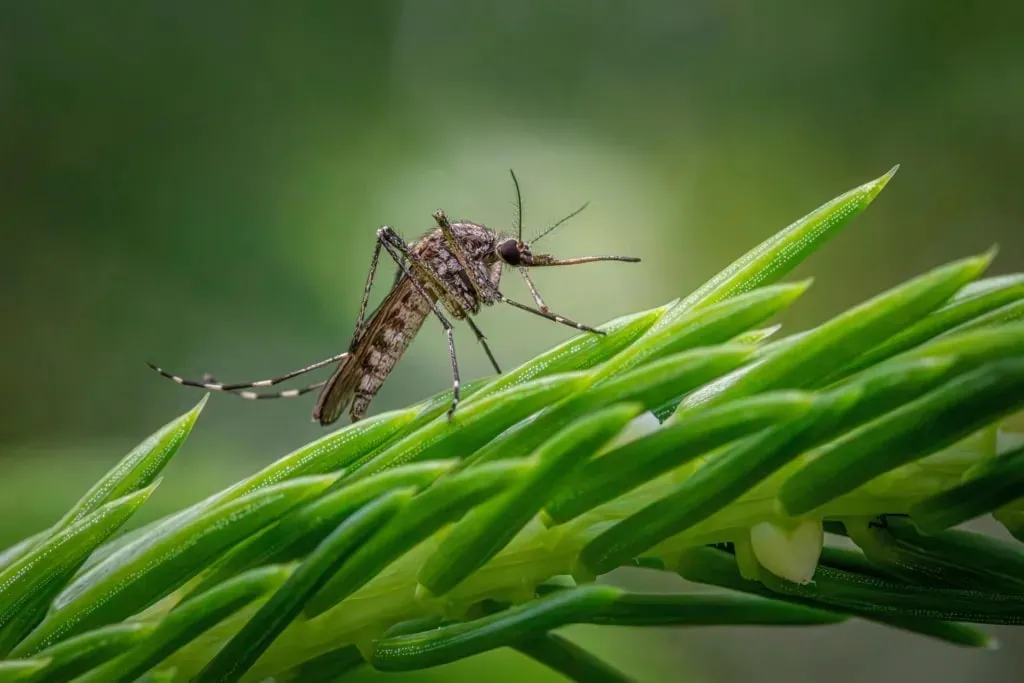
What Are the Most Common Types of Mosquitoes?
Find Out What’s Swarming & Biting In the South
The buzz of mosquitoes can drive you crazy. And then there are those itchy bumps that can show up on your skin out of nowhere. But it’s important to realize that certain common types of mosquitoes pose far greater risks than others.
Some mosquito species can carry dangerous diseases, while others won’t cause you any harm at all. Keep reading as the mosquito control eco specialists at Green Queen share how to tell the difference between mosquito species and point out which varieties are real threats.
How Many Mosquito Species Are There?
The world is home to more than 3,000 mosquito species, but the vast majority never cross paths with Americans. Roughly 200 species are established in the U.S. In metro areas like Charlotte and Atlanta, that number gets smaller still. So the species that actually pose meaningful health risks to people is a relatively short list.
Most mosquitoes fall under one of four major genera: Culex, Aedes, Anopheles, and Culiseta. Each group has its own preferred feeding times, hosts, breeding environments, and geographic footprints. Actually, plenty of species have no interest in humans, targeting birds or other animals instead. A few don’t even bite!
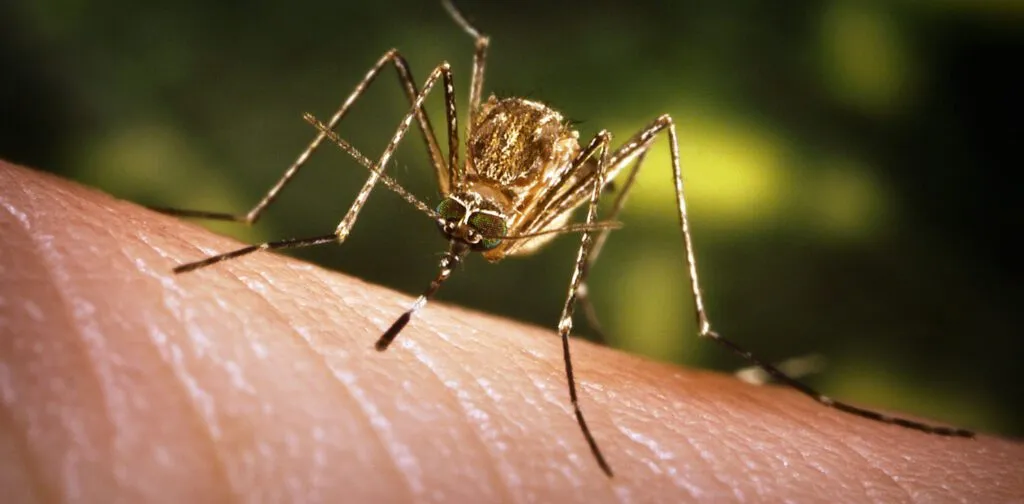
Culex Mosquitoes
These mosquitoes do their damage after dark. Activity ramps up from dusk onward. They’re also the species most likely to find their way indoors, and they breed readily in slow-moving or stagnant water (clogged gutters, neglected pools, drainage ditches). Also, Culex mosquitoes are the primary mosquito for spreading West Nile in the U.S.
Northern House Mosquito
- Survives winter both inside structures (basements, crawl spaces, attics) and in sheltered outdoor spots like animal burrows, hollow logs, and tunnels
- Thrives in urban and suburban environments, especially warm, humid regions
- Takes advantage of man-made water infrastructure to deposit large batches of eggs
Southern House Mosquito
- A known carrier of West Nile virus, St. Louis encephalitis, and canine heartworm
- Favors breeding in water with high organic content
- Widespread across the southern United States
Western Encephalitis Mosquito
- Can reproduce at elevations up to 10,000 feet, making it a nuisance even in mountain communities
- Found throughout the Midwest and West
- Delivers a noticeably sharper, more painful bite than most of its close relatives
Anopheles Mosquitoes
There are nearly 450 Anopheles species across the globe, which is a big deal because this is the only mosquito genus capable of transmitting malaria. Plus, they feed at night, making them harder to avoid without deliberate precautions.
Common Malaria Mosquito
- Historically the species responsible for malaria cases in the U.S.
- Breeds in ponds, marshes, wetlands, and slow-moving streams
- Found mainly across the Eastern U.S., Midwest, and Southeast
Aedes Mosquitoes
This type of mosquito feeds aggressively during the day. Getting swarmed outside? Aedes is the likely culprit. To make matters worse, they show a strong preference for human blood over animal blood.
Asian Tiger Mosquito
- Feeds throughout daylight hours with no letup
- Non-native to North America but cold-tolerant enough to have spread across the Southeast, Midwest, Northeast, and Pacific Coast
- Easily recognized by its bold black-and-white striped markings
- Breeds in tire piles, small containers, and shady spots that collect water
Yellow Fever Mosquito
- Concentrated in the Southeast, Southwest, parts of the Mid-Atlantic, and select California locations
- Linked to the transmission of Zika, Dengue fever, Chikungunya, and Yellow Fever
- Breeds mainly in artificial water containers
- Most active and reproductive during hot, humid weather
Eastern Saltmarsh Mosquito
- One of the most aggressive feeders that bites both day and night
- Not a significant disease threat for humans
- Breeds in saltwater marshes and coastal wetlands along the Atlantic and Gulf coasts
- Capable of traveling up to 40 miles from where it hatched
Culiseta Mosquitoes
If you live in the South, this mosquito species is probably not a worry. They’re concentrated in cooler regions and carry minimal health risk to people.
Key Characteristics
- Found primarily in northern states, higher elevations, and Canada
- Prefer cold conditions and tend to emerge in early spring or fall, once competing species have largely died back
- Breed in snowmelt puddles, woodland ponds, and cold stagnant water
What Diseases Can Mosquitoes Transmit?
West Nile Virus: The most frequently reported mosquito-borne illness in the U.S. that’s spread mainly by Culex species
Yellow Fever: Mostly a concern for international travelers, though Aedes populations exist within U.S. borders
Dengue: Transmitted by Aedes mosquitoes; occasional outbreaks occur in southern regions
Chikungunya: Less common but still a real threat and another disease carried by Aedes species
Malaria: Rare domestically but local Anopheles populations can transmit it
Zika: Isolated regional outbreaks
Why Do Some Types Bite Humans?
Contrary to what many people assume, male mosquitoes never bite. They live entirely on plant nectar and flower fluids. It’s the females that need a blood meal for egg development.
Female mosquitoes hunt warm-blooded animals, primarily birds and mammals, though some specialized species target reptiles or amphibians. The process starts at a distance, where they detect carbon dioxide exhaled by potential hosts. From there, they zero in using a combination of visual cues, slight humidity changes, and body odor signatures.
Most species have peak feeding windows (typically dawn and dusk) though warm, overcast afternoons can bring them out as well.
How to Tell Mosquito Species Apart
Crane flies and other harmless insects often get mistaken for mosquitoes. Pest professionals use a simple technique known as the “Three P’s” to make reliable identifications in the field.
Pattern. Look at the coloring. Black-and-white stripes, especially on the legs, are a strong indicator of an Aedes species. Uniform brown or gray coloring points toward Culex or Anopheles.
Palps. These are the small sensory appendages flanking the mosquito’s mouthparts. On Anopheles, they’re long and prominent, roughly as long as the proboscis itself. On Aedes and Culex, they’re noticeably shorter.
Posture. How the mosquito holds itself at rest is often the quickest clue. Anopheles mosquitoes rest with their body in a straight line, abdomen angled upward away from the surface. Aedes and Culex species curl into a hunched, “C”-shaped position.
When to Be Concerned About Mosquitoes?
Getting bitten is no fun. Neither is dealing with persistent swarms. Those are both already strong reasons to call in the professionals at Green Queen for mosquito buckets and traps. But a few other circumstances make it more than just a simple annoyance:
- Hot, humid weather: These conditions accelerate reproduction and extend the active season.
- Standing water on your property: Any stagnant water is a breeding opportunity, and more breeding sites mean more mosquitoes.
- Local health alerts: Keep an eye on announcements from your local health department regarding West Nile virus or other regional outbreaks.
Recent travel: If anyone in the household has visited areas with active mosquito-borne disease outbreaks, heightened vigilance is warranted.
5 Ways to Manage Mosquitoes
- Know What You’re Dealing With
Targeting control efforts is easier when you know which species are active in your area. Culex mosquitoes tend to breed in organically enriched water in storm drains and neglected pools. Aedes prefer clean water in man-made containers. Anopheles favor shallow, vegetated freshwater edges.
- Eliminate Breeding Sites
This is your most powerful tool. Dump out any standing water at least once a week — and be thorough about it. Check gutters, plant saucers, toys left outside, and even small items like bottle caps, which hold enough water to support mosquito larvae.
- Protect Yourself
Wear loose, long clothing when spending time outside. Use EPA-registered repellents. Whenever possible, schedule outdoor activities to avoid the dawn and dusk windows when mosquitoes feed most heavily.
- Plan for Seasonal Patterns
Mosquito activity peaks during summer across most of the country but can persist year-round in the South. Time your prevention efforts to match when local populations are at their most active.
- Apply Eco Treatments
If habitat reduction and personal protection aren’t enough, eco-conscious treatments may be necessary. These applications are best left to licensed professionals who can ensure the right products (mosquito buckets and traps) are used correctly and safely.
Get Rid of Mosquitoes the Eco Way!
The most effective mosquito control programs employ tactics customized to particular species. They combine three essential approaches: treating water sources, actively diminishing adult populations, and altering environments to destroy breeding habitats.
Green Queen takes an eco approach by using mosquito buckets, traps, and essential oil-based mosquito spraying. It’s a biologically-based, green method of mosquito control that deals with mosquitoes coming from your yard, neighbors’ yards, and any woods or water areas nearby.
These services protect your family from bites, irritation, and diseases. It’s like having a 24-hour mosquito security guard! Buckets quickly stop mosquito reproduction, while traps effectively kill existing mosquitoes.
If you don’t want to use your free time (and energy) to take care of every little lawn care detail, reach out to Green Queen today to learn more about eco pest control and lawn care! We proudly offer services to Charlotte, NC and Atlanta, GA.
CLICK HERE for a special offer on the installation of Green Queen’s mosquito control buckets!
These partner brands also offer Green Queen’s eco-friendly mosquito buckets and traps:
- Bug Doctor – 256-582-2750
- Desoto Turf – 901-355-7177
- Fairway Lawns – 501-217-9100
- Fitzgerald Lawn Care Inc – 715-246-3958
- Grass Life USA – 256-394-8132
- Kapp’s Green Lawn – 260-436-4336
- The Lawn Ranger – 615-826-1261
- Leapfrog Landcare – 919-427-3131
- Mencer’s Tree Service – 865-690-7474
- NexGreen – 614-607-5007
- On the Green – 410-695-0444
- Pure Green – 615-988-6777
- Rainscapes – 865-981-4270
- TDI Services – 256-461-6909
- Turf Wizards – 919-386-4908