
The Expert Scoop on All Things Snow Mold
What Causes This Lawn Fungus & How You Can Fight Back?
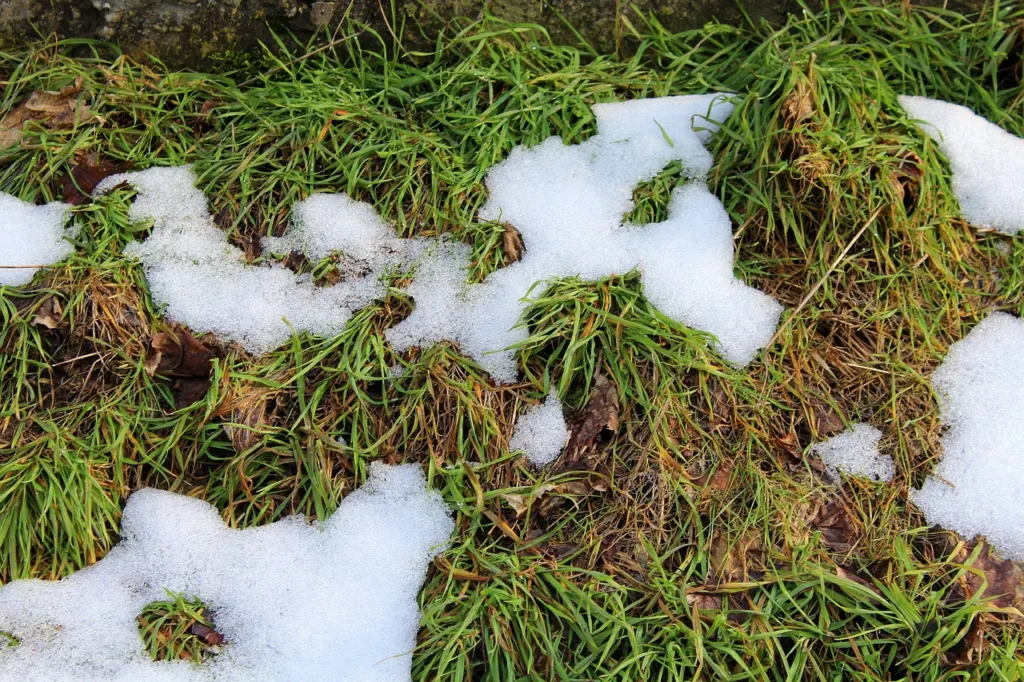
Snow mold is a frustrating lawn surprise, especially for southern homeowners who aren’t expecting it. One moment your lawn looks fine in late fall. Then, after a light winter cover of snow or ice melts away, you’re left with unsightly, circular patches scattered across your yard.
What’s happening, and why does it appear so suddenly? In this guide, the team at Green Queen breaks down everything you need to know about this cold-weather fungus, from how to spot it to how to stop it for good.
What Is Snow Mold?
First, let’s clear something up. Snow mold isn’t actually mold. It’s a turf disease caused by specific fungal pathogens that live dormant in your soil most of the year.
These fungi wake up when temperatures hover just above freezing (32–45°F) and moisture from melting snow creates a damp, cozy environment. That’s why snow mold tends to show up in northern climates as winter turns to spring.
However, down South, you can spot it sporadically after brief snow and ice storms. You might notice fuzzy fungal growth, but more often, you’ll see straw-colored, matted-down circles of grass.
Timing is everything. The damage is hidden under snow and only becomes visible once the cover melts away, leaving many homeowners confused about where these patches came from.
How Experts Detect Snow Mold
Professionals look beyond just discolored grass to confirm a snow mold problem:
- Location Patterns: They check areas where snow piled up longest—near driveways, in shaded spots, or in places with poor drainage.
- Timing: If symptoms appear within days or weeks of snowmelt, it’s almost certainly snow mold.
- Appearance: Patches are usually circular, ranging from a few inches to several feet wide. Grass looks bleached, flattened, and sometimes crusty.
- Color Clues: Gray or white patches are typically less severe. Pink, rusty, or reddish-brown discoloration signals a more serious infection.
The Two Main Types of Snow Mold
Not all snow mold is the same. Knowing which type you’re dealing with can save you time, money, and stress.
Gray Snow Mold
This is the milder form. You’ll see gray or white circles, sometimes with a silvery sheen. True to its name, it needs snow cover to develop.
The good news? Gray snow mold usually only damages grass blades, leaving roots and crowns intact. With sunlight and better air flow, your lawn can often recover on its own in a few weeks.
Pink Snow Mold
Don’t let the name fool you. This type shows up in pink, rust, or reddish-brown hues and is far more destructive. It’s the typical culprit for snow mold in the South, attacking deeper and potentially killing grass crowns and roots.
Worst of all, it doesn’t even need snow. Cool, wet spring weather alone can trigger it. Pink snow mold often requires overseeding and repair, as damaged areas may not fill in naturally.
Proactive Prevention Strategies
Stopping snow mold starts long before the first snowfall.
Improve Drainage & Soil Health: Water that pools on your lawn creates a perfect breeding ground. Address low spots, consider soil amendments, and maintain a healthy pH (6.0–7.0 for most cool-season grasses).
Aerate & Dethatch: Fall aeration reduces soil compaction and improves drainage while breaking down excess thatch (keep it under ¾ inch).
Fertilize Wisely: Use a balanced, slow-release fall fertilizer to strengthen roots without pushing excessive top growth. Avoid high-nitrogen “winterizer” products late in the season.
Mow & Clean Up: Gradually lower your mowing height before winter, aiming for 2–2.5 inches. Bag clippings during the final mow and keep fallen leaves cleared to prevent matted, wet layers.
Consider Preventative Fungicides: For lawns with a history of snow mold, a professionally applied fungicide in late fall can be a highly effective barrier.
What Makes Your Lawn Vulnerable?
The perfect storm for snow mold is a deep snow cover on unfrozen, damp soil. But your lawn’s health plays a huge role.
Thatch buildup, long grass, leaf debris, compacted soil, and poor drainage all create the damp, weak conditions fungi love. Even piling shoveled snow repeatedly in the same spot can create a hotspot for infection.
Which Grasses Are Most at Risk?
Cool-season grasses are most commonly affected, but some warm-season types aren’t immune.
- Bentgrass: Highly susceptible—this is why golf courses invest heavily in snow mold prevention.
- Kentucky Bluegrass: Moderate risk, but good recovery potential thanks to its spreading rhizomes.
- Perennial Ryegrass: Similarly vulnerable, but recovers more slowly from damage.
- Bermuda Grass: Can be affected by pink snow mold in southern states following rare cold, wet spells.
What to Do If You See Snow Mold
Once snow mold appears, fungicides won’t help. Your best move is to gently rake matted grass to improve airflow and drying. Then, be patient. Gray snow mold often recovers on its own with sunshine and drier weather.
Resist the urge to fertilize immediately, as this can do more harm than good. Let the grass focus on regrowing naturally.
Repairing the Damage
For gray snow mold, routine spring care is often enough. Pink snow mold damage usually needs a more hands-on approach: remove dead turf, loosen the soil, and overseed bare spots. Professional overseeding ensures the right timing, seed variety, and conditions for thick, even recovery.
Ready for a Healthier Lawn Year-Round?
Dealing with snow mold is a sign your lawn needs stronger, consistent care. A comprehensive lawn care program tackles more than one issue. This helps build a resilient, disease-resistant turf that can handle whatever the seasons bring.
For snow mold or any other lawn issue, reach out to Green Queen! We’re happy to share more about our strategy for eco pest control and lawn care. We proudly offer these services to the following areas: